


Addressing the Challenge and Constraints of Insulin Sources and Supply – ACCISS Phase 4
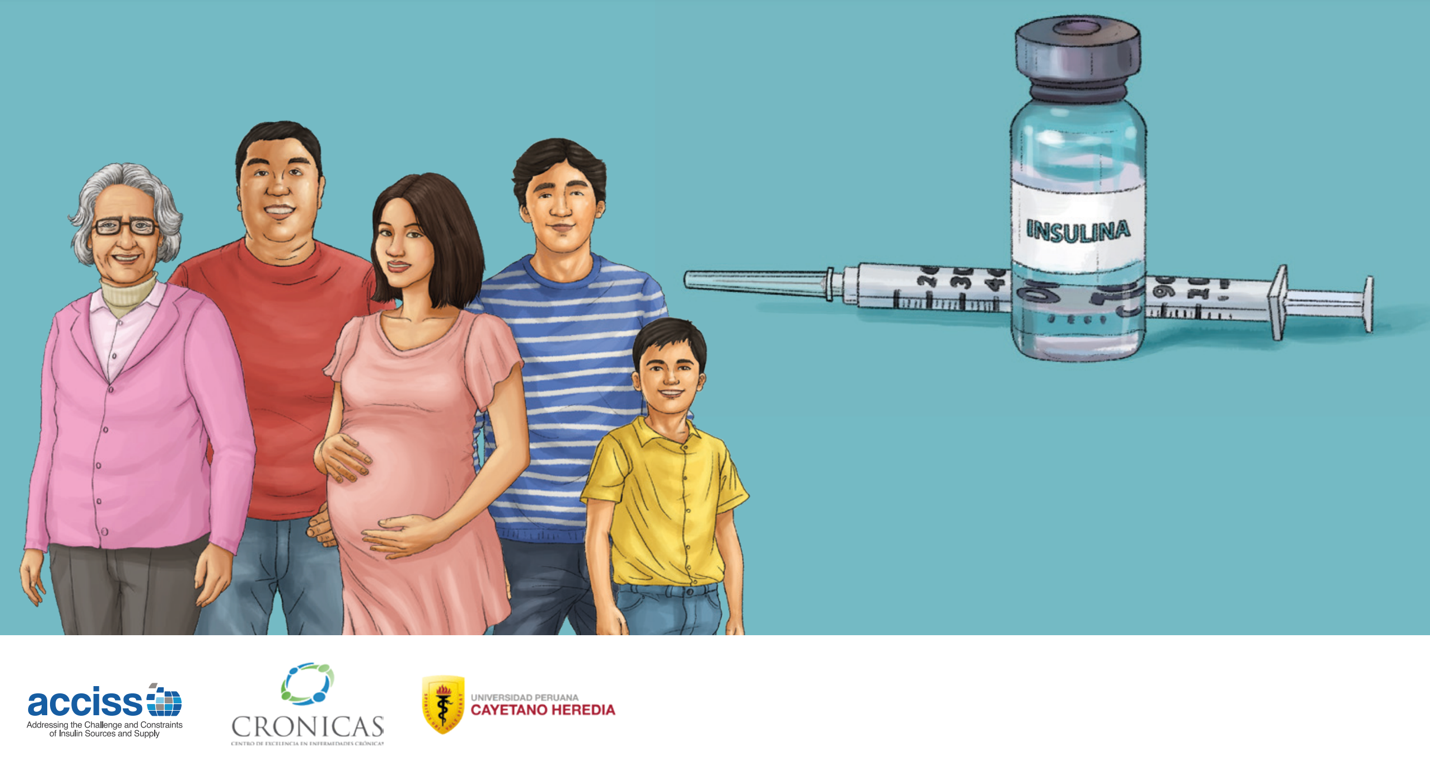
Although progress has been made in diabetes treatment, significant challenges remain in terms of access, knowledge, and acceptance of insulin for both patients and healthcare personnel. Since 2018, the ACCISS project in Peru has been dedicated to addressing these challenges related to insulin availability in the country:
- Phase 1: Research on the price, availability, and affordability of insulin in six areas of Peru and an evaluation of the barriers and facilitators influencing access to care for people with Type 1 Diabetes in Lima.
- Phase 2: Initiatives to improve insulin access across the country.
- Phase 3: Analysis of the factors that promote or hinder access to insulin in Peru.
Currently, the project is in its final stage, Phase 4.
Objective:
To consolidate and expand the achievements of the previous phases to improve insulin access throughout Peru.
Design:
Based on the general objective, this fourth phase of the project is divided into the following components:
- Awareness and improvement of insulin access and diabetes care in Peru: Efforts will focus on enhancing the implementation of the telemedicine system in two regions of Peru to facilitate access to diabetes care. Additionally, training activities on diabetes care, insulin use, and nutritional management (carbohydrate counting) at the primary healthcare level will continue. A group of healthcare workers will be trained to become leaders in diabetes care at the primary care level.
- Insulin acquisition and distribution plan: A strategic plan will be developed to improve the availability and affordability of insulin in the public sector. This will include quantifying insulin needs, reviewing the national government’s insulin procurement process, establishing an expert working group, and evaluating current procedures to identify bottlenecks and suggest improvements.
- Impact of patient organizations: The impact of patient organizations on health policy advocacy and patient-centered care delivery will be determined. This will involve reviewing documents on monitoring systems and quality of health services, conducting interviews with key individuals, and identifying tools and methods to measure outcomes in a practical setting. Advocacy activities with patient organizations will also be conducted.
- Monitoring of Insulin and Self-Monitoring Device Availability and Prices: Data collection will continue at different intervals to provide stakeholders with information on insulin access and use, as well as on the supplies for administration and self-monitoring. This information will contribute to a multi-country study on the availability, prices, and affordability of blood glucose self-monitoring devices.
- Co-design strategy to improve quality of life: An intervention will be developed using a co-design method to improve the quality of life of people with Type 1 diabetes. This will include meetings with multiple stakeholders to share the results of the ACCISS project and discuss needs. Subsequently, an intervention will be developed and validated, to be evaluated in a pilot study aimed at improving patient quality of life.
Result:
- Results of the Multisectoral Roundtable on Access to Medicines and Supplies for Diabetes – March 2025 (https://goo.su/a5k9z8)
Contact:
María Lazo-Porras, MD, MSc, PhD
Project phone number: 943 559 908
Place of study
Lima, Peru
Funding
The Leona M. and Harry B. Helmsley Charitable Trust.
Duration of the study
2024 al 2027
Reserachers
María Lazo Porras
Jessica Zafra Tanaka
Janeth Tenorio Mucha
Collaborators
David Beran, University of Genebra
Margaret Ewen, Health Action International
Molly Lepeska, Health Action International
Publications
News
Videos
Gallery