


Gender-based violence and COVID-19: recommendations for interventions in the context of a humanitarian crisis
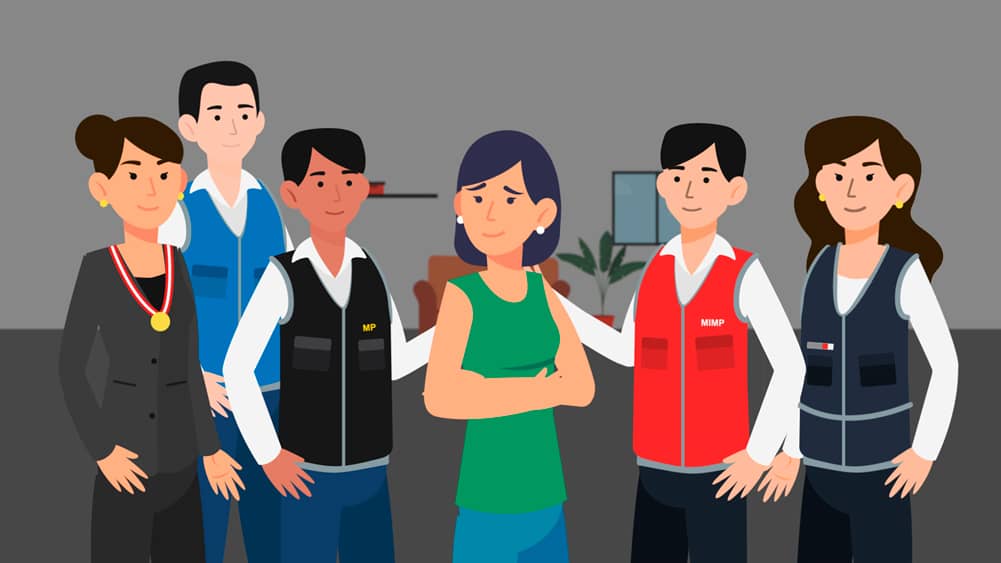
The COVID-19 pandemic increased Gender-based violence worldwide. During the first months of the pandemic the cases of gender- based violence (GBV) against women has increased from 25 to 33%. Latin American countries such as Chile and Uruguay have reported a decrease in the number of complaints by women to the authorities, but at the same time an increase in cases of femicide, which could indicate limitations to file a complaint. In Peru, the incidence rate of calls to the helpline for domestic violence (Line 100) increased by 48% between April and July 2020. Other humanitarian crisis such as health emergencies, natural disasters, armed conflicts, or epidemic outbreaks also demonstrated exacerbation of episodes of violence against women. Therefore, a complete overview from the existing evidence of interventions and policies on actions to prevent and manage gender-based violence against women in humanitarian crisis settings is needed to be prepared for future events.
Aim:
Conduct a situational analysis of the system’s response to cases of GBV against women during the COVID-19 pandemic and generate recommendations for interventions oriented to the management of these cases in a humanitarian crisis context, based on evidence and adapted to the social, cultural, legal, and educational context of Peru.
Study design:
Mixed study of 3 phases.
Phase 1, the response of the national system managing GBV was explored through semi-structured virtual interviews with 16 key actors in the field of GBV against women, between Lima and Arequipa. Also, we performed a review of national regulations and grey literature on the handling of these cases in the different governmental and non-governmental sectors involved.
Phase 2 consisted of a scoping review of international programs, strategies and interventions that provide recommendations for the management of GBV in the context of a quarantine, conflicts, disease outbreaks or humanitarian emergencies.
Phase 3, interventions were co-created with key stakeholders through participatory methods such as virtual focus groups and the information gathered in the first two phases. The final product was a series of feasible recommendations adapted to the Peruvian context.
Result:
Contact:
María Amalia Pesantes, MA, MPH, PhD
maria.pesantes.v@upch.pe
Place of study
Lima and Arequipa
Funding
CONCYTEC – Proyectos Especiales: Modalidad – Necesidades Emergentes al COVID-19 2020-02
Duration of the study
2020 – 2021
Reserachers
María Amalia Pesantes
María Lazo Porras
Germán Málaga
Janeth Tenorio
Águeda Muñoz
Patricia Busta
Collaborators
For the scoping review: Jessica Zafra, Nathaly Aya, Ramón Ruesta.
For the national regulations review: Brunella San Román, Lucia Begazo Muñoz del Carpio
For Phase 1: Jill Portocarrero, Narda Miranda Arista, Zoraida Sonco Paredes, Paula Mendiola.
Publications
News
Gallery