


Identifying barriers in access to treatment for diabetes and hypertension
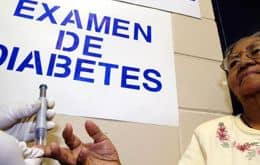
With this project, we sought to show an overview of what is happening with the care provided to people with non-communicable diseases such as diabetes and hypertension, applying a rapid assessment protocol tool promoted by the World Health Organization.
Aim:
The aim of this project is to identify the barriers in access to medicines and care for noncommunicable diseases in Peru and develop proposals to improve the health system, and, at the same time, arrive to a political response that contributes to better health for people with noncommunicable diseases in Peru.
Study design:
The project consisted of piloting for the first time in Peru a manual to implement research for the evaluation of the response of health systems against chronic non-communicable diseases. (available at www.who.int/alliance-hpsr/en/).
The project began its planification at mid-2012. In 2013, the information was collected in nine health centers from different entities from Lima, such as the Ministry of Health (MINSA), EsSalud, Army Forces establishments and private health centers. Also, various actors and specialists in the subject participated by providing key information, such as representatives of the Peruvian Diabetes Association, the Peruvian Hypertension Society, the National Strategy for Non-Communicable Diseases of MINSA, among others.
In a first phase of implementation in Peru, the instruments to be used were adapted, given the characteristics of the Peruvian health system. There were instruments for the collection of qualitative and quantitative information, differentiated by type of informant.
In a second phase, information was collected for two and a half months through nearly 140 interviews with patients, providers, and key informants. In the interviews, participants were asked about the characteristics of the service they receive or provide to care for the disease (diabetes and/or hypertension), the difficulties they face on a daily basis, their perceptions of the disease, the availability of services and supplies for care, as well as the costs associated with them.
Result:
Review the results summary here:
- Identificando Barreras, Lima-Peru
- Identifying the Barriers, Lima-Peru
- Alliance – Final Research Report – (SPANISH) WEB
Contact:
Maria Kathia Cárdenas, BSc, MSc
maria.cardenas.g@upch.pe
Place of study
Lima, Perú
Funding
The Alliance for Health Policy and Systems Research (Alliance) – World Health Organization
Duration of the study
2013-2014
Reserachers
J Jaime Miranda
María Kathia Cárdenas
Dulce Morán
Collaborators
David Beran, MSc, PhD.
Publications
News
Videos
Gallery