


Evaluation of two alternative methods for diabetes diagnosis: a pilot study to improve screening at the population level
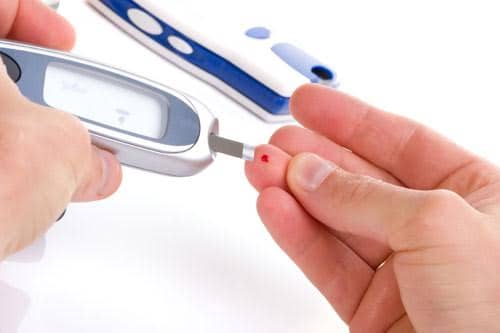
There is a need to reduce the threat of non-communicable diseases, especially diabetes, in developing countries. One proposed solution is to find new methodologies for quick, economical, non-invasive, and safe detection of patients with the disease, even better if it can be detected before significantly affects the rhythm and quality of life.
Aim:
To evaluate the diagnostic performance of proposed screening tests at the population level to develop a cost-effective algorithm for detecting glucose metabolism disorders.
Study design:
This is a population-based cross-sectional analytical study that includes a diagnostic validation phase. The study comprises two phases:
- Validation phase: Participants with and without type 2 diabetes mellitus will be included to evaluate the reproducibility and accuracy (internal validation) of proposed diagnostic tools.
- Population phase: A population-based study will be conducted to determine the diagnostic performance of proposed tests.
Result:
The performance of certain diabetes risk scores, including Finnish Diabetes Risk Score (FINDRISC), Latin America-FINDRISC, and the Peruvian risk score, was similar. A simplified FINDRISC may work as well or better to detect undiagnosed cases of type 2 diabetes mellitus. FINDRISC seems useful to detect cases of type 2 diabetes mellitus in resource-limited settings.
Contact:
Antonio Bernabé Ortiz, MD, MPH, PhD
Antonio.bernabe@upch.pe
Place of study
Tumbes, Perú
Funding
Wellcome Trust, Research Training Fellowship in Public Health and Tropical Medicine
Duration of the study
2015-2018
Reserachers
Antonio Bernabe-Ortiz
J Jaime Miranda
Héctor H. García
Collaborators
Liam Smeeth, Department of Non-Communicable Diseases Epidemiology, London School Hygiene and Tropical Medicine
Publications
- Bernabe-Ortiz A, Perel P, Miranda JJ, Smeeth L. Diagnostic accuracy of the Finnish Diabetes Risk Score (FINDRISC) for undiagnosed T2DM in Peruvian population. Prim Care Diabetes 2018;12(6):517-525. https://www.primary-care-diabetes.com/article/S1751-9918(18)30244-4/fulltext
- Carrillo-Larco RM, Luza-Dueñas AC, Urdániga-Hung M, Bernabe-Ortiz A. Diagnosis of erectile dysfunction can be used to improve screening for type 2 diabetes melitus. Diabet Med 2018;35(11):1538-1543. https://onlinelibrary.wiley.com/doi/10.1111/dme.13783
- Albitres-Flores L, Bernabe-Ortiz A. Diagnostic accuracy of ADA 2020 criteria for undiagnosed diabetes in a Peruvian population. Diabetes Res Clin Pract 2020;169:108475. https://www.diabetesresearchclinicalpractice.com/article/S0168-8227(20)30728-2/fulltext
News
Videos
Gallery