


Childhood obesity: secondary analysis of international data
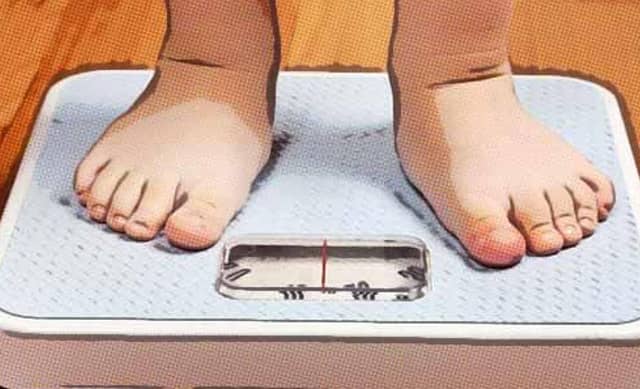
In recent years, there has been a decrease in the prevalence of child malnutrition, giving way to an increase in the prevalence of childhood obesity. This health problem has immediate consequences for the child, but also the future adult: overweight children are more likely to become overweight adults, and thus suffer negative health effects such as cardiovascular disease or type 2 diabetes. Therefore, it is important to study obesity at an early age to decipher how to prevent its progression. Collecting new data is a complex process, and to the extent that quality data is available, exploiting it is a cost-effective option.
Aim:
To study the frequency and determinants of obesity in children in low-resource areas in Peru. Additionally, where possible, extend the results to include children from other developing countries.
Study design:
This study includes the secondary analysis of freely available data from the Young Lives international study. The core study is a prospective cohort that began in 2002 in four developing countries: Peru, India, Ethiopia, and Vietnam. In each country, the study included two cohorts: younger and older. The first included infants aged 6-18 months, and the second included children aged 7-8 years. To date, three follow-ups have been conducted: in 2006, 2009, and 2013. The last evaluation will take place in 2016. The data collected in this study is freely available through their website.
The secondary analyses of this database include cross-sectional and prospective analyses. The main topic of interest is childhood obesity and some of its determinants, such as the family’s economic level and others that have gained relevance in recent years: sleep duration or type of birth (caesarean section). Likewise, the secondary analysis study has evaluated the effect of some social programs on the weight of children and their mothers.
Result:
Data from the international study «Young Lives» were analyzed. First, to quantify that sleeping fewer hours than recommended is associated with a higher frequency of overweight in school-age children. Second, the association between being born by cesarean section and being overweight in the same population was evaluated; we observed that history of cesarean section predisposes to being overweight.
Contact:
Rodrigo M. Carrillo Larco, MD
rodrigo.carrillo@upch.pe
Place of study
Lima, Perú
Funding
CRONICAS Center of Excellence in Chronic Diseases, Universidad Peruana Cayetano Heredia, Peru
Duration of the study
2014-2016
Reserachers
Rodrigo M. Carrillo-Larco
Antonio Bernabé-Ortiz
J. Jaime Miranda
Collaborators
Publications
- Carrillo-Larco RM, Bernabé-Ortiz A, Miranda JJ. Short sleep duration and childhood obesity: cross-sectional analysis in Peru and patterns in four developing countries. PLoS One. 2014;9(11):e112433. https://www.cronicas-upch.pe/en/wp-content/uploads/2021/06/pone.0112433.pdf
- Carrillo-Larco RM, Miranda JJ, Bernabé-Ortiz A. Delivery by caesarean section and risk of childhood obesity: analysis of a Peruvian prospective cohort. PeerJ. 2015;3:e1046. https://www.cronicas-upch.pe/en/wp-content/uploads/2021/06/peerj-03-1046.pdf
- Carrillo-Larco RM, Miranda JJ, Bernabé-Ortiz A. Wealth index and risk of childhood overweight and obesity: evidence from four prospective cohorts in Peru and Vietnam. Int J Public Health. 2015 [Epub ahead of print] PubMed PMID: 26603869. https://www.cronicas-upch.pe/en/wp-content/uploads/2021/06/2015_Carrillo-Larco_IJPH_Wealth-index-and-childhood-obesity.pdf
News
Videos
Gallery